
What Really Makes CBD Flowers the “Best”?
The best CBD flowers are identified by five verifiable characteristics, not by advertising claims. According to CANNANA, the team tests all products itself before they are added to the product range. These five criteria help evaluate any product:
Key points:
- Aroma and terpene profile: A fresh, complex scent indicates that the terpenes have not evaporated during storage.
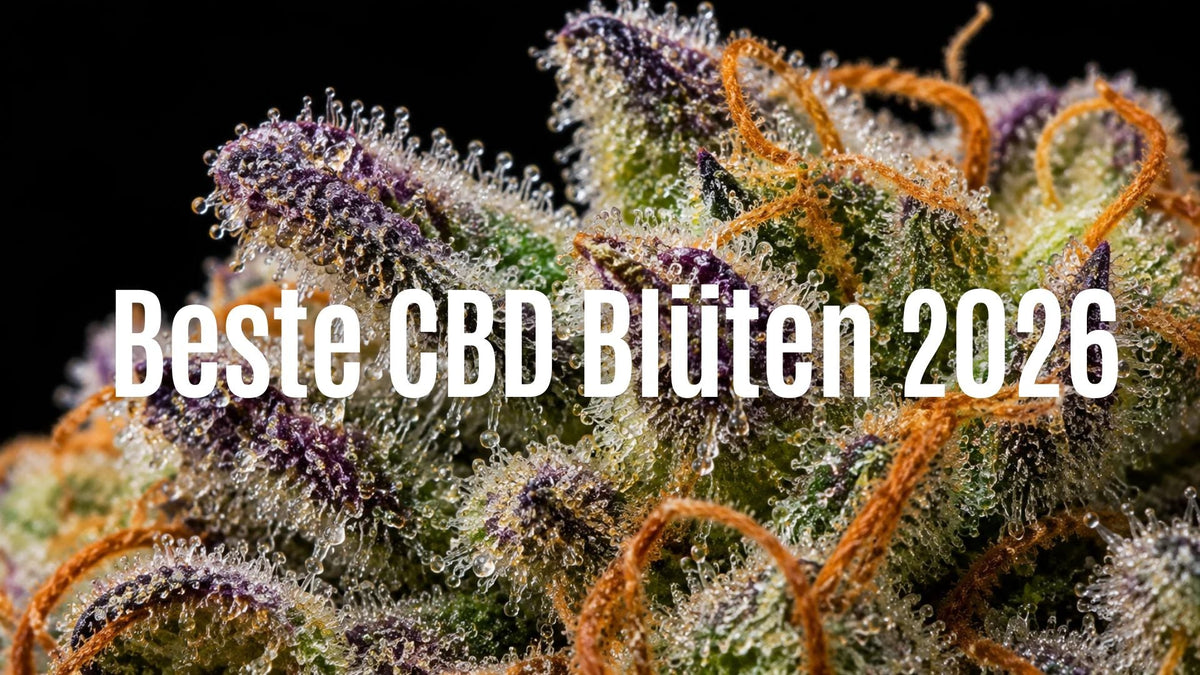
- Trichomes and resin: A dense coating of shiny resin glands shows where the plant produces cannabinoids and terpenes.
- Structure and trimming: Compact, neatly trimmed flowers contain little excess leaf material.
- Moisture and freshness: Good quality flowers are neither damp nor bone-dry.
- Laboratory analysis and certificate: A batch analysis certificate confirms the CBD and THC content and provides results from contaminant testing.

Understanding CBD Flowers: The Basics
CBD flowers are dried hemp flower heads containing a lot of cannabidiol (CBD) and very little tetrahydrocannabinol (THC). The product is also colloquially known as CBD flower. Cannabis is the botanical genus name for hemp and is also a legal term in the KCanG.
According to PubChem, cannabidiol is one of more than 80 cannabinoids found in the cannabis sativa plant. After THC, it is the second most common component.
All CBD flowers available at CANNANA come from certified EU industrial hemp. The THC content of these products is set at a maximum of 0.2%. This means the company standard is below the legal limit of 0.3% THC. The THC level can be checked through the batch laboratory analysis. However, this alone does not automatically make a product fit for sale.
What Are CBD Flowers, and How Do They Differ from Cannabis Flowers?
Botanically, CBD flowers come from the same plant genus as THC-rich cannabis flowers. Legally, however, the Consumption Cannabis Act (KCanG) distinguishes between cannabis and industrial hemp.
The chemical difference lies in the flower's active ingredient profile. According to PubChem, cannabidiol is a non-psychoactive component of the hemp plant. THC, on the other hand, is considered its most important psychoactive component. In Switzerland, according to the Federal Office of Public Health (BAG), CBD is not subject to the narcotics act.
For beginners, a simple rule applies to CBD flowers: choose based on aroma, terpenes, and laboratory results. A high is not one of the product's characteristics. Those who buy them are therefore choosing a plant profile, not a psychoactive substance.


Legal Situation: THC Limits in Germany, Austria, and Switzerland
Different THC limits apply to CBD flowers in Germany, Austria, and Switzerland. In Germany, Section 1 KCanG defines industrial hemp. This includes hemp from certified EU seeds or with a maximum THC content of 0.3%. In addition, its distribution must serve exclusively commercial or scientific purposes that rule out misuse for recreational purposes.
| Country | THC Limit | Source | Special Feature |
|---|---|---|---|
| Germany | maximum 0.3% (industrial hemp) | Section 1 No. 9 KCanG | commercial use without recreational misuse |
| Austria | maximum 0.3% (smokable hemp flowers) | BMF, July 9, 2025 | generally only available from pharmacies |
| Switzerland | under 1% | BAG | not subject to the narcotics act |
CANNANA standard: maximum 0.2% THC. This value is a voluntary product standard, not a legal limit.
Austria has a special rule. Following a ruling by the Administrative Court, smokable hemp flowers there are subject to tobacco tax. The Ministry of Finance also stated its legal view on April 17, 2025, that they are therefore subject to the tobacco monopoly.
A single THC figure does not yet prove a product's legal compliance. Unusually high CBD claims without a batch analysis certificate also remain unverifiable. Those looking for the best CBD flowers in Germany, Austria, or Switzerland should first check the rules of their own country. How the legal framework differs from the CANNANA standard of maximum 0.2% THC is explained in the guide to the THC limit for CBD flowers.
The 5 Quality Criteria for the Best CBD Flowers
According to CANNANA, the company only offers products the team is convinced by. The five quality criteria show what matters when testing.
The best CBD flowers meet five requirements at once: a fresh terpene profile, a dense coating of trichomes, clean trimming, appropriate freshness, and a batch laboratory analysis. Colloquially, people often talk about the best CBD weed. The same testing points apply.
Each of the five quality criteria answers a different question. No single characteristic is sufficient on its own. Only the combination provides a reliable assessment of the best quality CBD flowers. This checklist allows you to evaluate any product yourself.
Cultivation Method: Indoor, Outdoor, and Greenhouse Compared
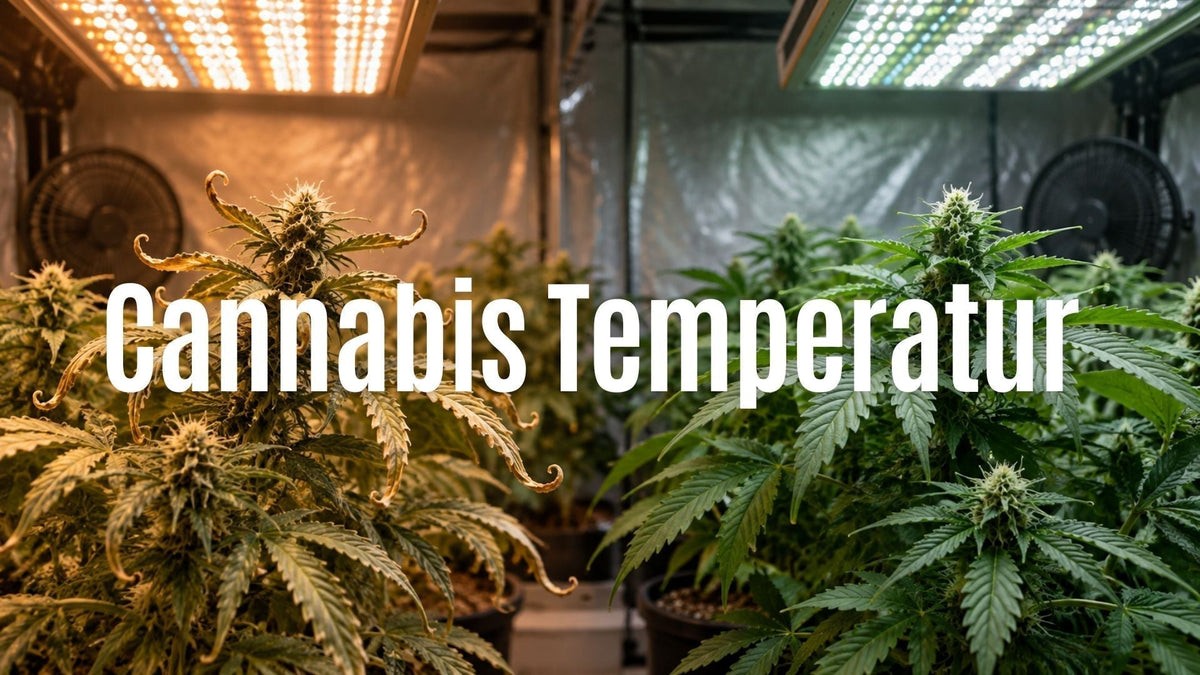
The cultivation method affects the consistency and cannabinoid profile of CBD flowers. A review article in the International Journal of Molecular Sciences (2024) describes indoor cultivation as more controlled and uniform than outdoor cultivation. According to the same article, light, temperature, humidity, and drying shape the cannabinoid content. The plant produces terpenes in the trichome hairs of the flower heads using every method.
An overview of the three methods:
- Indoor: The advantage is uniform batches due to controlled conditions. The disadvantage is the high energy requirement, which according to a 2024 life cycle assessment can result in up to 50 times more CO₂ emissions than outdoor cultivation.
- Greenhouse: The advantage is the combination of daylight and climate control. The disadvantage remains that the season partly determines the amount of light.
- Outdoor: The advantage is natural conditions with significantly lower CO₂ emissions than indoor cultivation. The disadvantage is the dependence on weather and season.
Indoor cultivation offers more control, while outdoor cultivation produces significantly fewer emissions. Indoor cultivation is therefore suitable for uniform batches, while outdoor cultivation has a smaller ecological footprint. No method is therefore proven to be generally superior for flowers as a product.
Genetics, harvest time, and care during cultivation also determine the quality of every CBD flower. The designation of indoor or outdoor is therefore only one part of the quality question. The final proof is provided by the batch laboratory analysis.
Cannabinoid and Terpene Profile: The Entourage Effect
The CBD content alone only tells half the story. In addition to cannabidiol, CBD flowers contain other cannabinoids such as cannabigerol (CBG) and cannabichromene (CBC). Both are referred to as phytocannabinoids by a 2024 review article, meaning cannabinoids naturally produced in the hemp plant. Terpenes also contribute to the aroma and flavor.
The entourage effect describes the hypothesis that cannabinoids and terpenes may work differently together than they do individually. A systematic review in Pharmaceuticals (2024) classifies the reinforcing role of terpenes as currently unproven. The authors call for further clinical studies.
A scoping review in Biomedicines (2023) assesses previous studies as methodologically weak and contradictory. According to this article, critics consider the term to be used primarily for marketing. The entourage effect therefore remains scientifically open, but is widely discussed in practice. Reliable statements will only be provided by controlled clinical studies.
For buyers, the open state of research on the entourage effect means one thing above all. The analysis certificate should show the complete profile, not just the CBD value. This allows batches to be objectively compared. The search for CBD flowers with the best effects therefore does not lead to a single, universally applicable answer, because the experience is individual.
An Overview of the Most Important Terpenes: Myrcene, Limonene, Pinene & Co.
The most important terpenes in CBD flowers shape the aroma and flavor. A review article in Molecules (2020) describes terpenes as the main carriers of the hemp plant's aroma. A study in PLOS ONE (2017) found β-myrcene, limonene, α-pinene, and β-caryophyllene in the resin of industrial hemp, among others. The aroma descriptions below come from the PubChem database:
- Myrcene: pleasant, typically terpene-like aroma, also found in hop oil.
- Limonene: lemon-like aroma, main component of oil from citrus peels.
- Pinene: pine-like aroma with a hint of turpentine.
- Linalool: floral aroma, similar to lavender and bergamot.
- Caryophyllene: spicy aroma between clove and turpentine.
Terpenes provide aromatic notes, but no promise of effect. Moods or times of day are often attributed to these terpenes. However, such an association is not clinically proven for flowers as a product.
The terpene content fluctuates even within a single strain. In a study in the Journal of Chromatography A (2023), ten plants of the same strain varied by around 20%. All were grown under controlled conditions.
How to Correctly Read Certifications and Laboratory Analyses (CoA)
An analysis certificate (Certificate of Analysis, CoA) is the laboratory report for a specific batch. It provides proof of cannabinoid content and contaminant testing. According to CANNANA, all products in the CANNANA range are subject to strict laboratory controls.
The importance of checking the certificate is shown by a US study in Frontiers in Pharmacology (2024). Tinctures, gummies, vapes, and cosmetics were tested, not flowers. In 74% of 202 tested CBD products, the CBD content deviated from the label by at least 10%. The laboratory found heavy metals in 44 products and pesticides in 30 products.
According to the CANNANA category page, a CoA should be batch-specific, come from an independent or accredited laboratory, and bear a test date. A CoA is therefore checked in five steps:
- Compare the batch's THC level with the legal limit of 0.3%.
- Compare the CBD value in the report with the statement on the label.
- Check the results of the pesticide testing.
- Check the results of the heavy metal testing.
- Compare the batch number and test date with the packaging.
Warning signs are a missing or undated batch number and different numbers on the report and packaging. Reports without contaminant testing or laboratory information are equally critical.
Organic Certification and Responsible Cultivation
Organic certification confirms cultivation standards according to the EU Organic Regulation 2018/848, which has been in effect since 2022. According to the Berlin State Office for Health and Social Affairs, an approved control body inspects every organic company at least once a year. Organic farms also refrain from using chemically synthesized plant protection products such as synthetic pesticides. Genetically modified organisms are prohibited in organic production under this regulation.
Organic certification does not guarantee zero residues in the laboratory, but rather cultivation standards. Labels for responsible agriculture follow the rules of the respective organization and can only be verified according to their criteria.
For CBD flowers, organic seals and analysis certificates therefore complement each other. The seal confirms the cultivation, while the laboratory confirms the content. An organic seal therefore stands for verified processes, not for a specific CBD value or terpene content. Together, they create a reliable basis for the purchasing decision.
Appearance, Aroma, and Trimming as Quality Characteristics
CBD flowers show their quality through appearance and scent even before the laboratory test. According to a study in PLOS ONE (2017), hemp collects terpene-rich resin in trichome hairs on the female flower heads. A dense coating of these trichomes is therefore a visible quality signal. It can be clearly seen with a simple magnifying glass.

Neatly trimmed products contain little excess leaf material and show careful processing. A fresh, terpene-rich aroma is an initial indication of freshness.
Terpenes are volatile and, according to a study in the Journal of Cannabis Research (2020), are lost with the age of the flower. A flat, hay-like smell can therefore indicate long storage. Sticky, damp, or highly crumbly products indicate deficiencies in drying or storage.
According to the CANNANA guide, the THC content can be reliably identified neither by appearance nor by smell. Appearance and scent are based on experience, not measured values. The senses provide a good initial orientation. The proof is only provided by the batch analysis certificate.

CBD Flower Strains: Indica, Sativa, or Hybrid – Which Is Right for You?
Indica, Sativa, and Hybrid are common classifications for CBD flowers, but they are not fixed promises of effect. Sativa strains are generally considered day strains, while Indica strains are generally considered evening strains. Examples from the CANNANA strain wiki:
| Classification | Example Strain | Aroma According to Strain Wiki | Common Association |
|---|---|---|---|
| Sativa | Lemon Haze | Lemon peel, haze spice, herbs | Rather day |
| Indica | Northern Lights | Earth, wood, sweetness, hint of pine | Rather evening |
| Hybrid | Blue Dream | Blueberry, herbs, haze note | Depending on the expression |
Scientifically, these terms are imprecise. An analysis of over 100 samples in Nature Plants (2021) found no clear separation between Sativa and Indica labels across the genome. Instead, the labels were associated with a few terpenes.
For users who want to relax in the evening, Indica-dominant strains are traditionally considered a suitable choice. However, the data from Nature Plants show that this rule of thumb does not apply to every plant. Sativa profiles, on the other hand, are traditionally considered stimulating.
The Top 7 CBD Flower Strains in a Practical Comparison
The following selection is based on the strain profiles in the CANNANA strain wiki. Each of these strains represents its own aroma profile. The wiki profiles describe the scent, main terpenes, and classification of the respective genetics. For a specific CBD flower, the batch laboratory results alone count, because the profile can vary.
- Amnesia Haze (Sativa): Terpinolene, myrcene, and caryophyllene; aroma of citrus, incense, and spices with a typical haze sharpness.
- Lemon Haze (Sativa): Terpinolene, limonene and caryophyllene; lemon peel, haze spice and a light herbal freshness.
- Strawberry Cough (Sativa): Myrcene, pinene and caryophyllene; strawberry, herbs and a peppery note.
- Blue Dream (Hybrid): Myrcene, pinene and caryophyllene; blueberry, herbal freshness and a light haze note.
- Gorilla Glue #4 (Hybrid): Caryophyllene, myrcene and limonene; diesel, chocolate, earth and resinous heaviness.
- Northern Lights (Indica): Myrcene, caryophyllene and limonene; earth, wood, soft sweetness and a hint of pine.
- Sour Diesel (Sativa): Caryophyllene, limonene and myrcene; sharp, sour and gassy. Not suitable for everyone: those looking for mild aromas may find this diesel profile slightly too intense.
The same major terpenes do not automatically result in the same scent. Blue Dream and Strawberry Cough both list myrcene, pinene and caryophyllene, but smell of blueberry and strawberry, respectively.
Strain names are merely a rough guide anyway. According to a study in PLOS ONE (2015), they often do not reflect a clear genetic identity. Two batches with the same name can therefore differ in their profile.
Citrus-focused profiles like Lemon Haze smell bright and fresh, while earthy ones like Northern Lights smell heavier. Those looking for the best CBD flowers for their own taste should compare two contrasting profiles.
Gorilla Glue #4 and Northern Lights represent the earthy-heavy side of the spectrum, while Lemon Haze and Amnesia Haze represent the citrus-fresh side. To get started, it is recommended to compare two to three flowers with contrasting profiles in small quantities. More varieties with aroma and profile are available in CANNANA's variety wiki.

Consuming CBD flowers: methods and alternatives
CBD flowers can be smoked, vaporized, or replaced with other CBD products. Whether a classic joint, dry herb vaporizer, or CBD oil: the form of consumption is a matter of taste, handling, and situation. CANNANA offers suitable accessories such as grinders, papers, and bongs in its own range. All products are intended exclusively for adults aged 18 and over.
The same starting point applies to every form of consumption: first the analysis certificate, then the method. CANNANA stands for honest advice without technical jargon, even when it comes to which form of consumption suits the aroma profile.
Smoking vs. vaporizing (vaporizer) – differences in effect and aroma
When smoking CBD flowers, the plant material burns, but when vaporizing, it does not. A dry herb vaporizer heats the flowers without igniting them, as described in a review on vaporization. According to the same study, smoke is produced through pyrolysis. This refers to the decomposition of organic material at high temperatures.
A classic joint uses papers and an open flame. In contrast, a vaporizer uses a heating chamber to do the work, completely without a flame.
For both methods, a grinder evenly breaks down the flowers. Papers, rolls, and tips are part of a joint, while they are not needed for a vaporizer. Both forms of inhalation therefore differ in technique, handling, and taste experience. A review in Drug and Alcohol Review (2024) distinguishes nine types of vaporization devices. Those who want to vaporize CBD should use dry herb devices for dried flowers, not cartridges for extracts.
Which method is right is a matter of personal taste and habit. This comparison does not provide a recommendation for health reasons. For health-related questions, a doctor or pharmacy is the right point of contact.
Alternatives: CBD oil, capsules, edibles, and tinctures
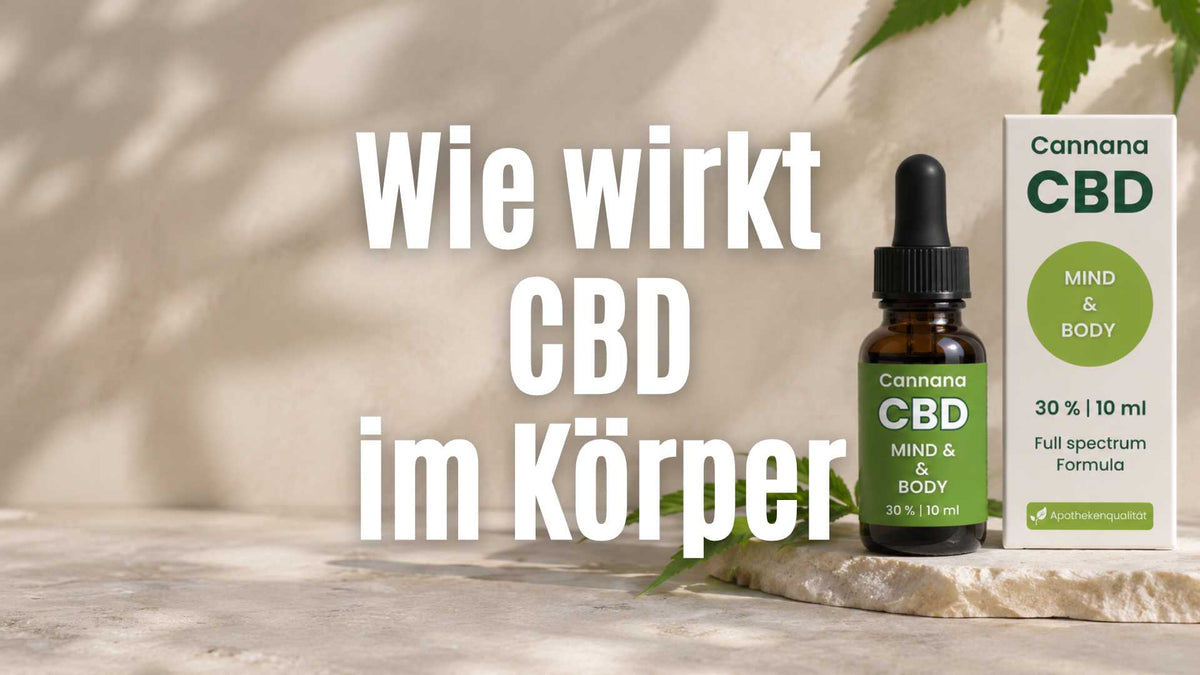
Those who do not want to inhale CBD can find alternatives in oils, capsules, edibles, and tinctures. Among the CBD and CBG oils from CANNANA, an alternative with easy dosing is available. CBG stands for cannabigerol, which according to PubChem is another cannabinoid of the hemp plant. Oils can also be used discreetly and without accessories, even on the go.
Capsules, edibles, and tinctures are other widely available dosage forms on the market. Nevertheless, this guide focuses on flowers as the unprocessed starting form. When comparing formats, you should also look for an analysis certificate for the batch here.
The products are neither medicinal products within the meaning of Section 2 of the German Medicines Act nor medical devices within the meaning of Regulation (EU) 2017/745, and they are not intended for the diagnosis, treatment, cure, or prevention of diseases.
Buying the best CBD flowers: shop guide for Germany, Austria & Switzerland
The best CBD flowers are bought from retailers who disclose the origin, THC content, and laboratory analysis. Crucial are analysis certificates per batch, verifiable reviews, clear return policies, and discreet shipping.
Depending on the country, different rules apply. According to the Ministry of Finance, smokeable hemp flowers with a maximum of 0.3% THC may generally only be sold in pharmacies in Austria. According to the Federal Office of Public Health, Swiss retailers may legally offer hemp flowers with less than 1% THC, but not advertise them freely.
CANNANA sells CBD flowers from certified EU-grown industrial hemp in its store in Düsseldorf (Flinger Straße 14, 40213 Düsseldorf) and online at cannana-shop.com. The offer is backed by the guiding principle "We know what we sell."
Shipping is discreet and free from €50 after all discounts, according to the shipping terms. Orders placed by 2 p.m. are usually dispatched to DHL on the same business day. Delivery is only available within Germany, and in-store pickup is free.
What to look for in an online shop
Reputable online shops for the best CBD flowers can be identified by six verifiable points:
- Analysis certificates per batch are available and include the batch number and test date.
- The origin from EU-grown industrial hemp and the legal basis are clearly stated.
- Customer reviews on independent platforms such as Google serve as additional guidance.
- Rules for returns and complaints are transparently described.
- Shipping is discreet in neutral packaging.
- An imprint lists the address and email address, as required by Section 5 DDG; a reachable customer service is an additional plus.
An analysis certificate without a batch number cannot be assigned to any package. Warning signs are missing laboratory reports and unverifiable information about the CBD content. A shop without an imprint and without a physical address is equally critical.
Such offers cannot be verified legally or substantively. Promises of complete anonymity are also unrealistic, as payment and shipping are documented.
A physical store is an additional signal of trust. There, goods, advice, and analysis certificates can be checked in person. It is also highly indicative whether a shop only delivers to countries whose rules it can comply with.
Correctly assessing the price-performance ratio
The price of CBD flowers depends on the variety, cultivation method, processing, and package size. In the CANNANA range, the 1 g package cost between €6.25 (BUBBLEGUM) and €10.90 (Blue Dream CBG9) on November 2, 2026, during a promotion. LA MOTA was €8.95, Glookies €9.95. Larger packages lower the price per gram, down to €5.21 for BUBBLEGUM (10 g). However, prices per gram can only be fairly compared for the same package size.
A low price alone says little about quality. Those who want to buy the best CBD flowers should pay attention to the ratio of price to analysis certificate, freshness, and terpene profile. Exceptionally cheap offers without batch analysis deserve skepticism, because the content and contaminants cannot be checked. A higher price per gram is only worth it if the certificate, freshness, and profile justify it.
Conclusion: How to find the best CBD flower for you
The best CBD flower for you combines a fresh terpene profile, dense trichome coverage, clean trimming, appropriate freshness, and an analysis certificate for the batch. Statutory limits set the framework: a maximum of 0.3% THC in Germany and Austria, and under 1% in Switzerland.
Statutory limits, laboratory values, and your own aroma perception complement each other. Documentation deserves more trust than advertising promises. A US study from 2024 found deviations of at least 10% from the label in 74% of 202 CBD products without flowers. It is therefore sensible to start with small quantities and compare several aroma profiles. The laboratory analysis of the batch remains the decisive test, strictly following the principle "legally secure instead of risky".
The CANNANA team stands for honest advice without technical jargon. It can be reached in the store in Düsseldorf, via WhatsApp, or online at the CANNANA CBD flowers.
Sources and References
27
Scientific references, official statements, and legal frameworks for this article:
-
Konsumcannabisgesetz (KCanG) – § 1 Begriffsbestimmungen Law / Regulation
-
PubChem Compound Summary: Cannabidiol (CID 644019) Official Authority
-
PubChem Compound Summary: Myrcene / beta-Myrcene (CID 31253) Official Authority
-
PubChem Compound Summary: Limonene (CID 22311) Official Authority
-
PubChem Compound Summary: alpha-Pinene (CID 6654) Official Authority
-
PubChem Compound Summary: Linalool (CID 6549) Official Authority
-
PubChem Compound Summary: beta-Caryophyllene (CID 5281515) Official Authority
-
PubChem Compound Summary: Cannabigerol / CBG (CID 5315659) Official Authority
Frequently Asked Questions (FAQ)
Which CBD has the best effect?
Which CBD flowers are the strongest?
How can I tell if CBD flower is of good quality?
Which CBD strain is the best?
Where can I legally buy CBD flower?
What are the best CBD flowers for beginners?
What is the difference between Sativa, Indica, and hybrid strains in CBD flowers?
This article is provided for general informational purposes only and does not constitute legal, tax or medical advice. For individual questions, please consult a qualified professional. Laws and regulations may change – please always check the currently applicable legal requirements.